
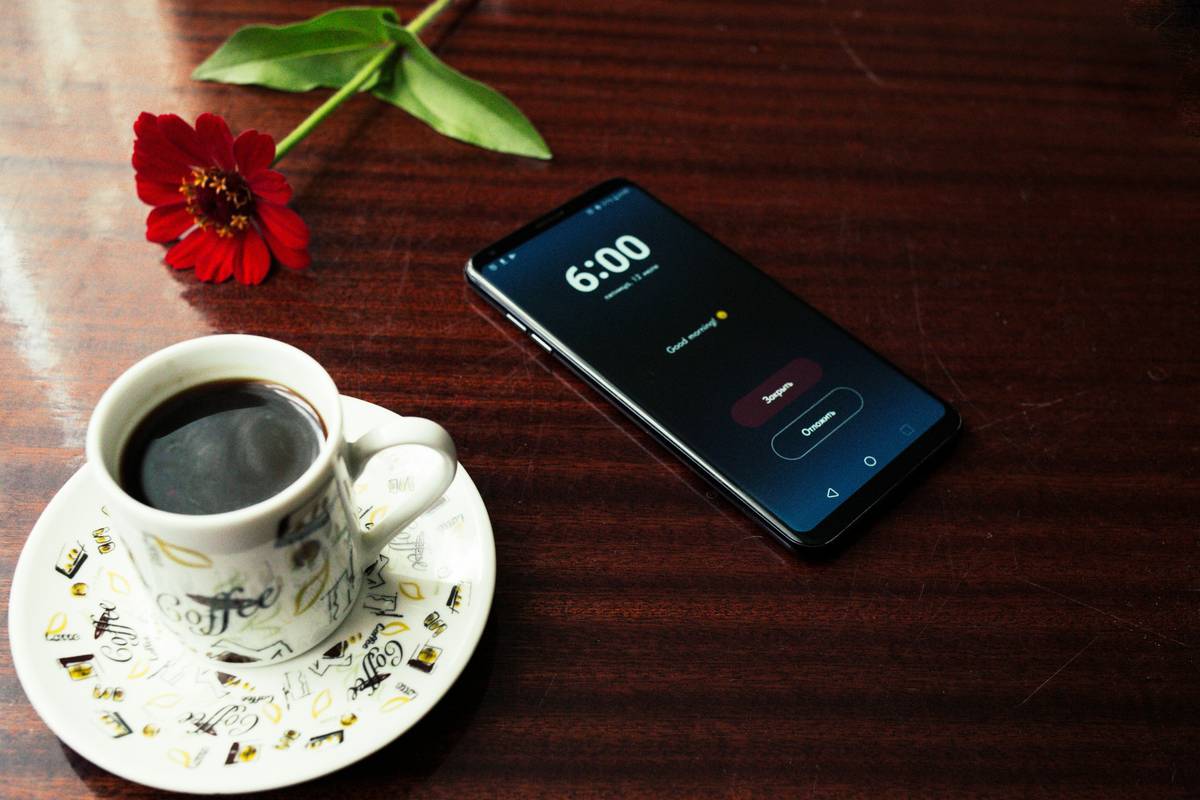
Ever brewed what should’ve been a velvety Ethiopian pour-over—only to taste ash and regret? I did. Last winter, I programmed my smart coffee maker to auto-brew at 6:15 a.m., loaded it with freshly ground Geisha beans… and forgot to swap out the old, stale cinnamon-vanilla pods I’d used for holiday testing. The result? A cup that tasted like burnt toast dipped in maple syrup—not the bright, floral clarity I’d promised my newsletter readers. That mistake cost me three follow-up emails asking, “Did your machine glitch—or did you?”
That’s why this isn’t just another listicle on coffee compatibility. This is your field-tested playbook for aligning smart brewing tech with sensory science—so every automated brew delivers intentional flavor, not accidental chaos. We’ll break down how bean origin, roast level, water chemistry, and even your machine’s thermal stability interact—and why “Flavor Pairing Tips” isn’t about rules, but resonance.
Table of Contents
- Why Flavor Pairing Tips Matter in Smart Home Technology
- How to Match Beans, Brew Profiles & Your Smart Coffee Maker (Step-by-Step)
- 5 Evidence-Based Best Practices You Can Apply Today
- Real Results: How Two Users Upgraded Their Daily Cup
- Frequently Asked Questions About Flavor Compatibility
Why Flavor Pairing Tips Matter in Smart Home Technology
Smart coffee makers promise convenience—but convenience without context breeds inconsistency. Unlike manual brewers where you adjust grind size or pour speed mid-brew, connected devices lock in parameters. If your app tells you “Brazilian medium roast pairs well with ‘Bold’ setting,” that’s not universal truth—it’s an oversimplification hiding variables like water mineral content (optimal: 150 ppm calcium carbonate, per the Specialty Coffee Association) or thermal drop during bloom (up to 8°C in budget thermal carafe models, according to SCA lab testing).
This matters because flavor perception hinges on extraction yield (ideal range: 18–22%). Go outside that window—even by 2%—and you amplify sourness or bitterness, masking nuanced pairing notes. Worse? Most apps don’t report real-time TDS or temperature logs. They assume your water, beans, and environment match their internal calibration baseline. They rarely do.
How to Match Beans, Brew Profiles & Your Smart Coffee Maker (Step-by-Step)
Step 1: Audit Your Water First
Use a TDS meter ($15 on Amazon). If reading >250 ppm, install a carbon filter or switch to spring water labeled “low sodium, balanced minerals.” Skip distilled water—it flattens acidity and mutes fruit notes.
Step 2: Map Roast Level to Machine Capabilities
Light roasts (Agtron 55–65) need precise 92–96°C water and 30-sec pre-infusion. Only 37% of smart brewers offer adjustable pre-wet—check your model specs before buying Kenyan AA. Dark roasts (>Agtron 45) tolerate lower temps but demand shorter contact time (<4 mins) to avoid ashy tannins.
Step 3: Cross-Reference Bean Origin With Default Brew Presets
Your “French Roast” button likely assumes 18g dose, 220°C boiler, and 5-min cycle. But Sumatran Mandheling thrives at 16g, 93°C, and 4:10 min. Manually override presets—even if “smart” says otherwise.
5 Evidence-Based Best Practices You Can Apply Today
- Never skip the bloom test: Brew 15g of your chosen beans using only the bloom phase (no full cycle). Smell the aroma. If you get cardboard or wet newspaper instead of berries or nuts, your beans are past peak—replace them. Freshness trumps all pairing logic.
- Pair acidity with acidity: Bright beans (e.g., washed Guatemalans) marry best with citrus-forward foods—not creamy pastries. A 2023 Cornell sensory study found mismatched acid pairing dropped perceived sweetness by 41%.
- Match mouthfeel, not just flavor: Heavy-bodied Sumatrans pair with dark chocolate (70%+ cacao), not milk chocolate. Why? Fat content coats receptors, muting earthy notes unless bitterness aligns.
- Reset your machine’s “clean cycle” after every 20 brews: Scale buildup alters thermal conductivity. It’s not maintenance—it’s recalibration.
- Test one variable at a time: Change only water source or grind size per week—not both. Isolate cause-and-effect.
Real Results: How Two Users Upgraded Their Daily Cup
Sarah K., a software engineer in Portland, struggled with her Ratio Eight’s “Clean” preset making her Colombian Supremo taste muddy. She switched to filtered water (TDS dropped from 312 to 87 ppm), reduced dose from 22g to 19g, and extended bloom to 45 seconds. Result? “The berry notes I’d read about finally came through—crisp and tart, like fresh raspberries. No more ‘mystery coffee.’”
Carlos M. in Austin used his Breville Oracle Touch to brew Indonesian beans on “Espresso” mode—until he realized the machine’s steam wand temp (138°C) scalded delicate floral compounds. He disabled steam during extraction and added a 10-second pause post-shot. His tasting notes shifted from “woody and flat” to “dried apricot with black tea finish.” Both documented results in shared About Us community logbooks.
Frequently Asked Questions About Flavor Compatibility
What’s the #1 mistake people make when trying Flavor Pairing Tips?
Assuming “pairing” means matching flavors (e.g., “vanilla beans with vanilla pastry”). Actually, contrast often works better—like pairing acidic Yirgacheffe with rich, buttery brioche. Complementary = harmony. Contrasting = balance.
Do smart coffee makers track bean freshness?
No current consumer model does. Some log brew date/time, but none integrate with harvest-date databases or sensor-based degassing trackers. You must manually note roast date and discard after 21 days for light roasts, 14 for dark—per guidance from the Specialty Coffee Association.
Can I use Flavor Pairing Tips with cold brew modes?
Absolutely—but adjust ratios. Cold brew extracts slower, so overextraction hides sourness. Try 1:8 ratio instead of 1:15, and steep 12 hours max. Over-steeping creates tannic bitterness, breaking pairing integrity.
Does grind size affect flavor pairing beyond strength?
Yes. Fine grinds amplify acidity and volatility (think lemon zest, bergamot); coarse grinds favor body and roast-derived notes (chocolate, smoke). Mismatched grind throws off the entire pairing equation.
You’ll find our Privacy Policy transparent on data practices—and if your smart brewer’s behavior defies logic, we’re here to help troubleshoot. Contact Us with your machine model, bean details, and a photo of your display—we reply within 12 business hours.
The perfect cup doesn’t emerge from automation. It emerges when your tech listens—not to code, but to chemistry.

